日本護身道拳法

Nippon Goshindo Kenpo

Brief History of Nippon Goshindo Kenpo

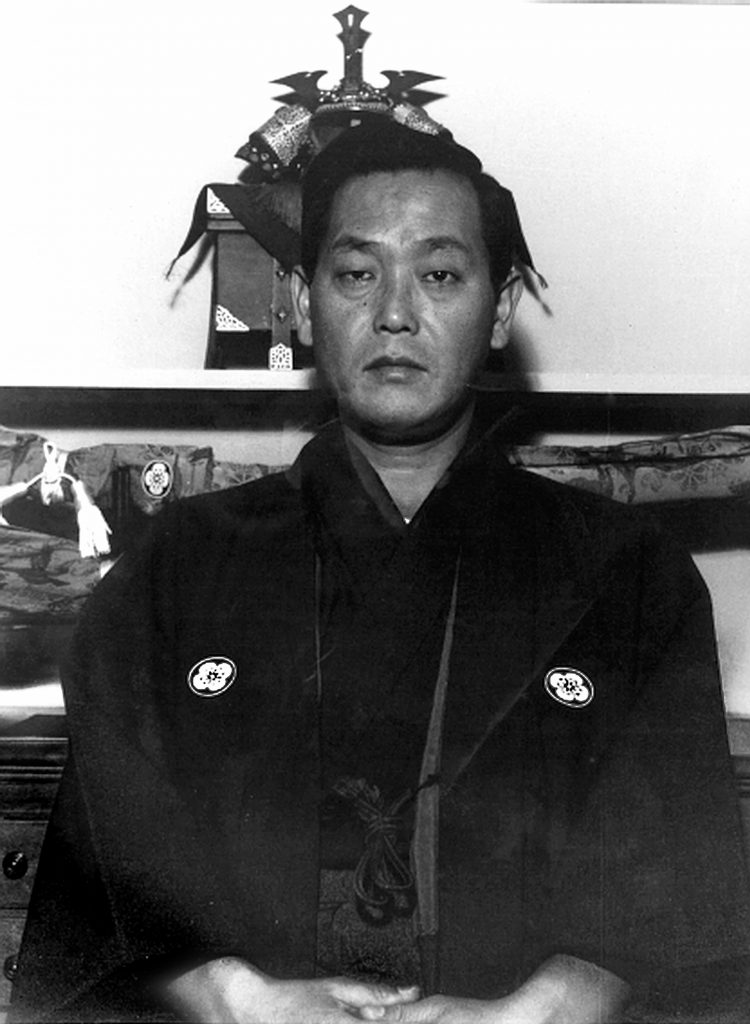
Nippon Goshindo Kenpo 日本護身道拳法 was founded in 1930 by Taizen Takemori 大善武森, who studied Hakko-ryu with Shodai Soke Okuyama Ryuho. Takemori Sensei also studied Tenshin Shinyo-ryu, Sekiguchi-ryu, Jikishin-ryu, Shibukawa-ryu, and Kito-ryu. Takemori Sensei emphasized the striking of the vital points and formation of bodily weapons found in these old Jujutsu systems. Too many people think of Jujutsu as only a joint-locking or throwing art, which is extremely inaccurate. Nippon Goshindo Kenpo was made known publicly and widely spread in Japan by Terumasa Takura Arai 皓正田倉新井.

While most Japanese styles of Karate are mainly descended from Chinese arts, Nippon Goshindo Kenpo owes its development to the Jujutsu schools that flourished in the days of the Samurai. Nippon Goshindo Kenpo was first introduced into the United States in the early 1960s by Shihan Naraki Hara 奈良木原.

My teacher, Mike Depasquale Sr., studied both Hakko-ryu Jujutsu and Goshindo Kenpo under the direction of Shihan Naraki Hara and with Nobuhisa Matoba 信久的羽 .

Naraki Hara and the Nakano Spy School
Naraki Hara for a time taught Kenpo at the Nakano Spy School. His Kenpo curriculum may have a surviving variation, which traveled to the USA as “Nippon Goshindo Kenpo”.

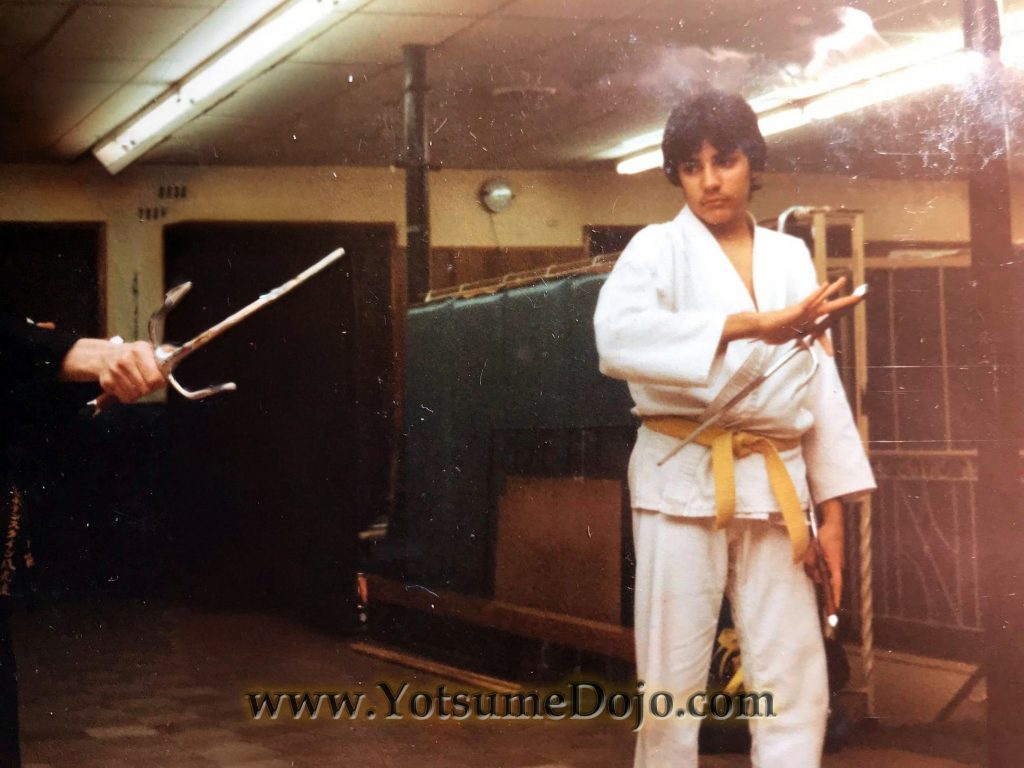
Learning the use of the Sai at the Closter Dojo

Development of Nippon Goshindo Kenpo

  • Taizen Takemori (Founder of Nippon Goshindo Kenpo. Shihan from Shodai Soke Okuyama in Hakko-ryu Jujutsu.)
  • Terumasa Takura Arai (Master teacher under Takemura) spreads Goshindo Kenpo throughout Japan.)
  • Naraki Hara (Shihan from Shodai Soke Okuyama in Hakko-ryu Jujutsu and also a Shihan in Goshindo Kenpo from Taizen Takemori. Naraki Hara moves to NYC and becomes the East Coast representative for Hakko-ryu in the USA.)
  • Nobuhisa Matoba (He was a Shihan under Naraki Hara in Goshindo Kenpo. He also taught my teacher Mike Depasquale Sr.)
  • Mike Depasquale Sr. (Studied Hakko-ryu Jujutsu and Goshindo Kenpo under Naraki Hara. Meets Shihan Junji Saito (Okuyama’s cousin) and becomes his student and receives his Shihan license in Hakko-ryu from Saito Sensei.)
  • Pete Siringano Sr. (Trained with Naraki Hara in both Hakko-ryu Jujutsu and Goshindo Kenpo. He opens his own school, blending both arts together.)
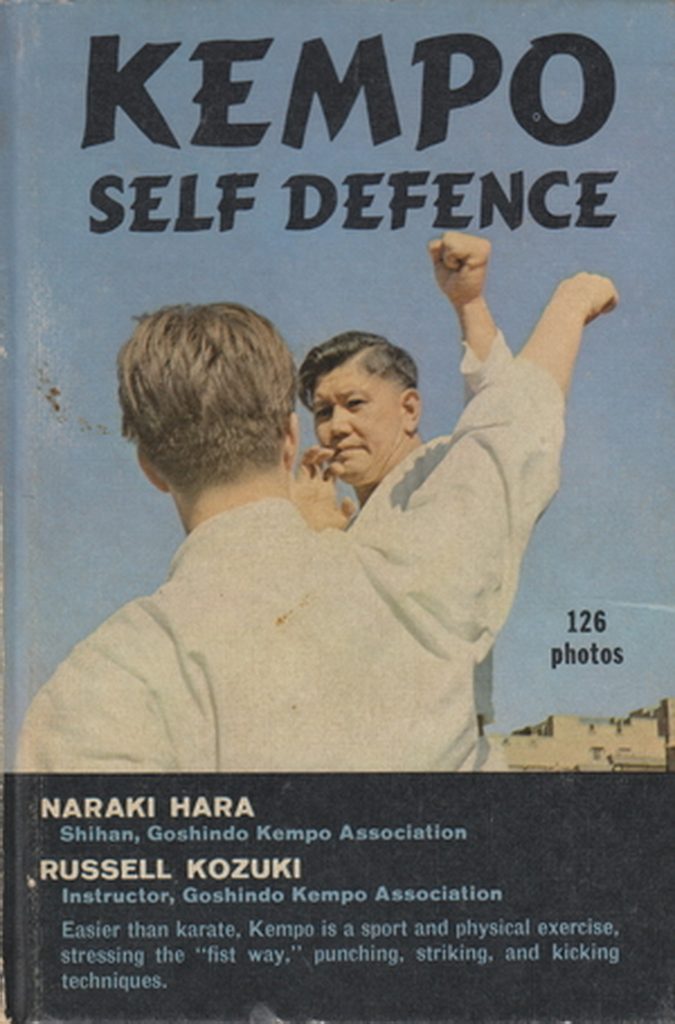
  • Russell Kazuki (Was a main student under Naraki Hara, studying Goshindo Kenpo. He co-authored a book with Naraki Hara and wrote numerous other books on Karate.

Nippon Goshindo Kenpo Curriculum:

  • Kihon (many)
  • Kata (10)
  • Combat Movements (5 with 30 henka)
  • Five Point Prearranged Ippon Kumite (5)
  • Kumite Methods
  • Jiyu Kumite (free sparring)
  • Weapons Kata – Bo, Sai, Nunchaku (Nisetsu, Sansetsu, Yonsetsu)

Ansei Ueshiro 安盛宇江城

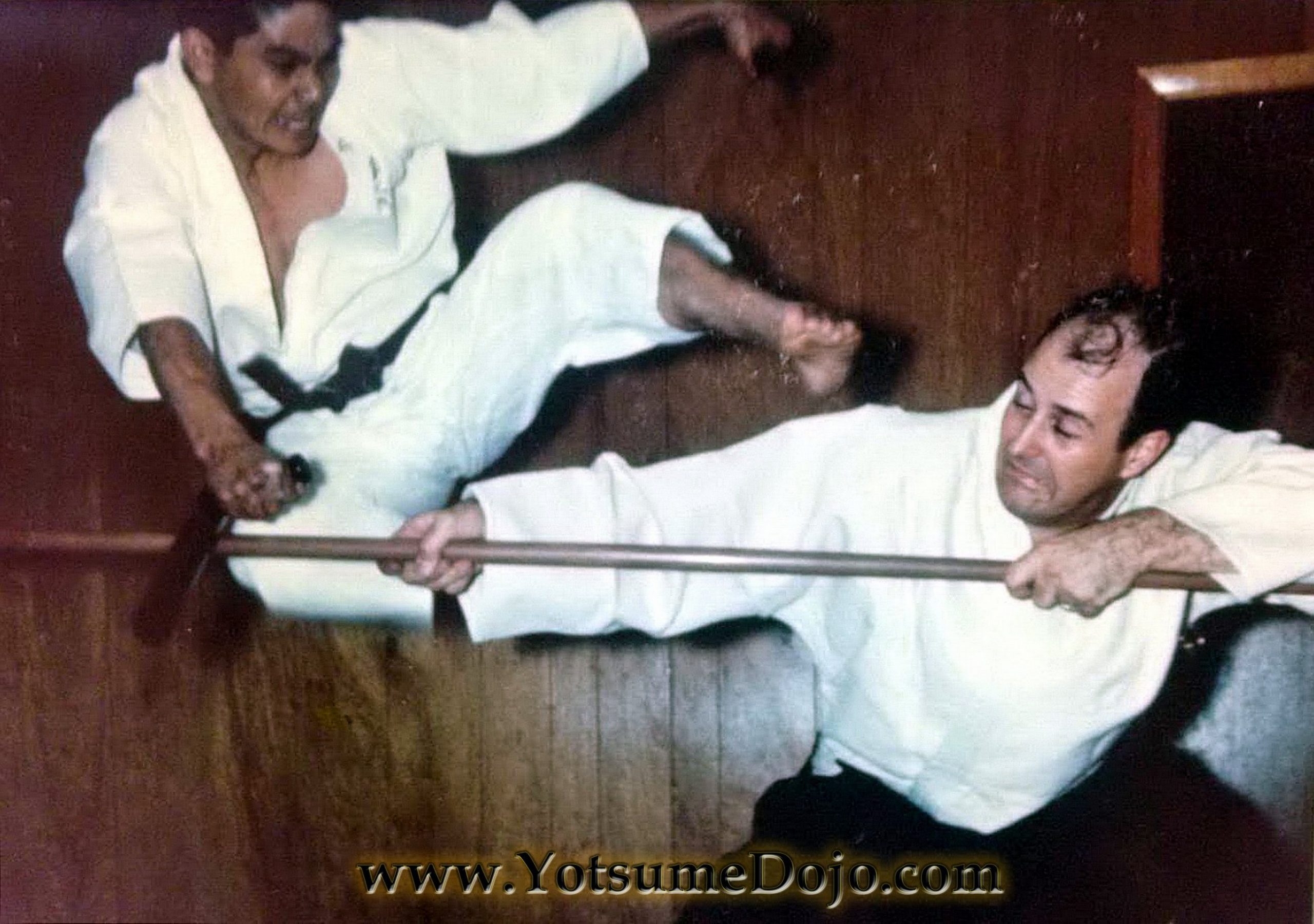
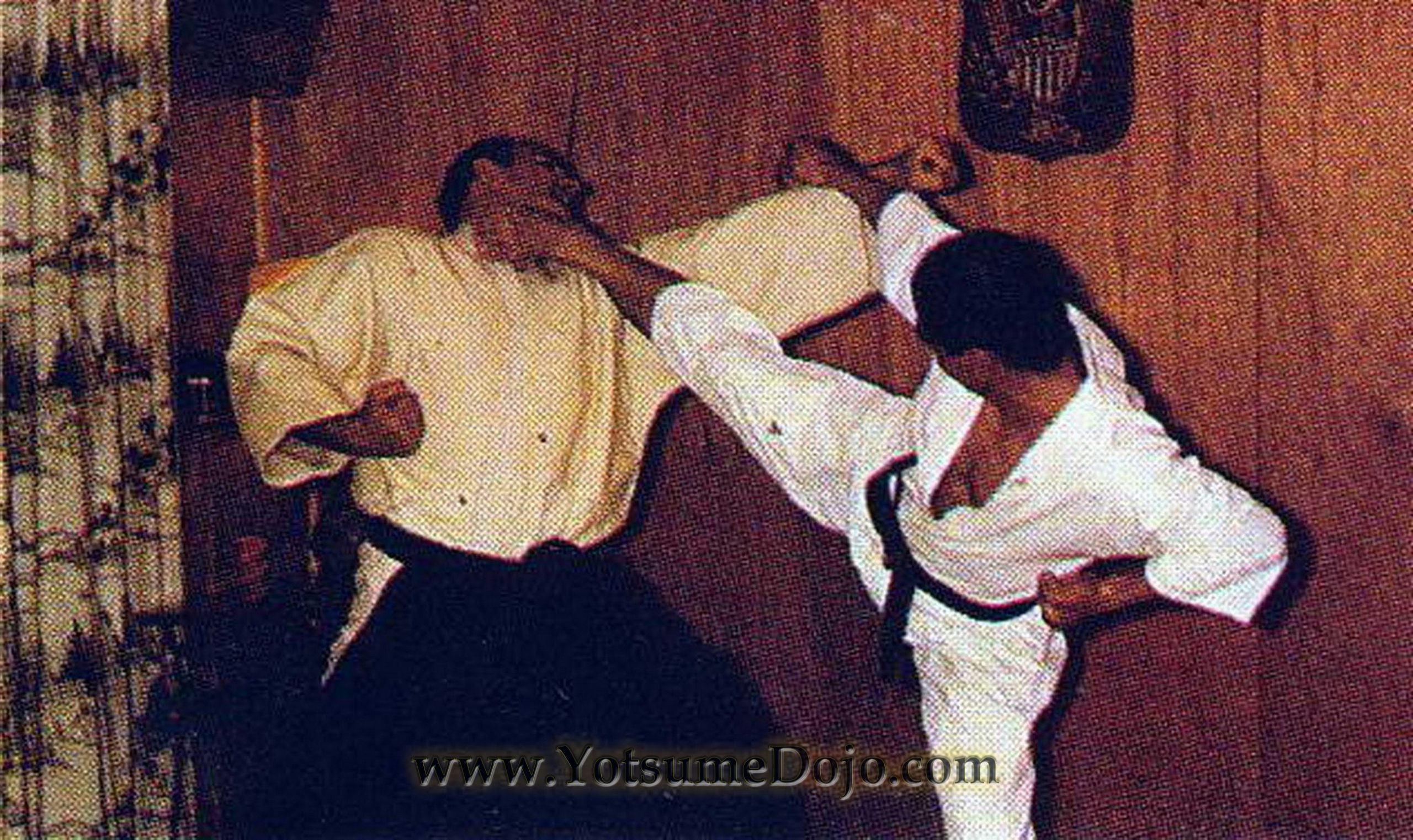
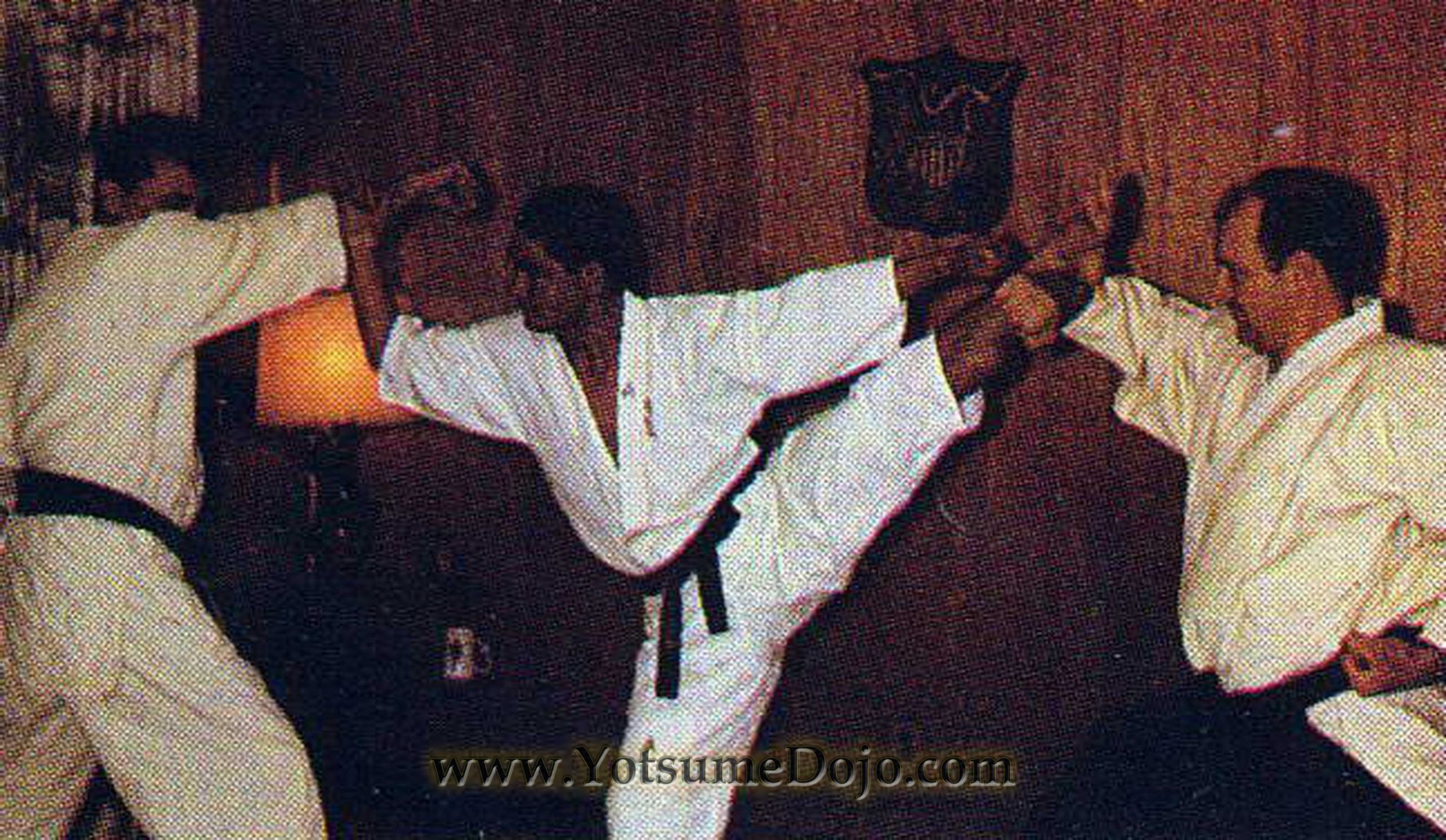
I could not talk about the development of the Karate and Goshindo Kenpo curriculum at the Yoshitsune Dojo in Closter, NJ without talking about Mr D Sr’s close training relationship Ansei Ueshiro! Ansei Ueshiro 安盛宇江城 and my teacher Mike Depasquale Sr. often trained together in the early 60s. Mr D Sr. use to refer to Ansei as the “Battle Cat” because of his incredible physical prowess. Born in Kin, Okinawa on April 20, 1933 Ansei was trained in Shōrin-ryū. Ansei was the nephew of Ankichi Arakaki, the chief instructor at the original Nagamine Dojo.
 
The Cave
During the war Ansei and others took refuge in a cave. Attacking U.S. Marines threw a satchel charge into the cave and Ansei’s hands were badly injured from the blast. Both his parents were killed.
 
Order to Bring Shōrin-ryū to the U.S.
In 1960, Ansei Ueshiro at the request of Shōshin Nagamine founder of Matsubayashi Shōrin-ryū, was selected to bring Shōrin-ryū to the U.S. Ansei went on to become well known for his long Bo techniques and Kumite skills. The Bo Ansei trained with was several hundred years old. Ansei and my teacher trained and performed Enbu together numerous times and were close friends. They often trained together in Mr D Sr. home as seen in these photos.
 
Small excerpt from an interview with Ansei Ueshiro:
“First, in the West, Karate was seen mostly as a form of self-defense, but one with a special mystique because of its Eastern philosophy. Now it has become a sport, like boxing or wrestling, but it still has that mystique. It’s not just the mystique; many people now realize that it’s a system that helps you order your whole life. In that way, it can be as meaningful to someone outside the Okinawan culture as inside, yes, but the meaning is different because the cultures are different. As for my expectations in 1962, as far as my students understanding the deeper meaning of Karate, as a way to focus and shape their lives, they have been met. But in addition, I’d like to see the view of Karate as a destructive force, or solely as a money-making proposition, eliminated. Karate is an art that can benefit society and help improve peoples lives.”

Ansei Ueshiro is seen in the old “Chop Chop” movie of the Yoshitsune Dojo that was filmed by Paramount Productions. It is important to understand Ansei’s role and contributions that were made to the dojo.

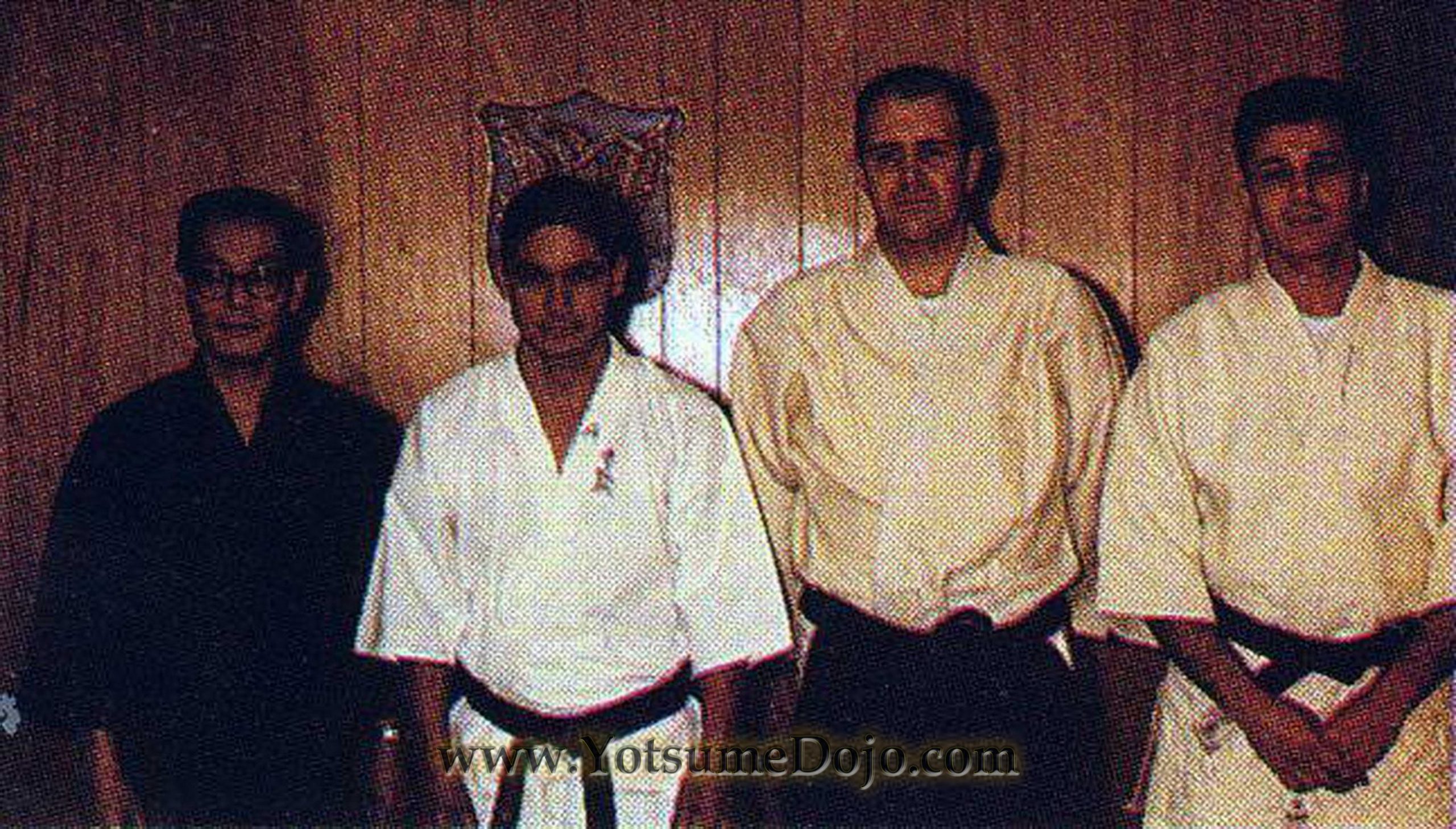
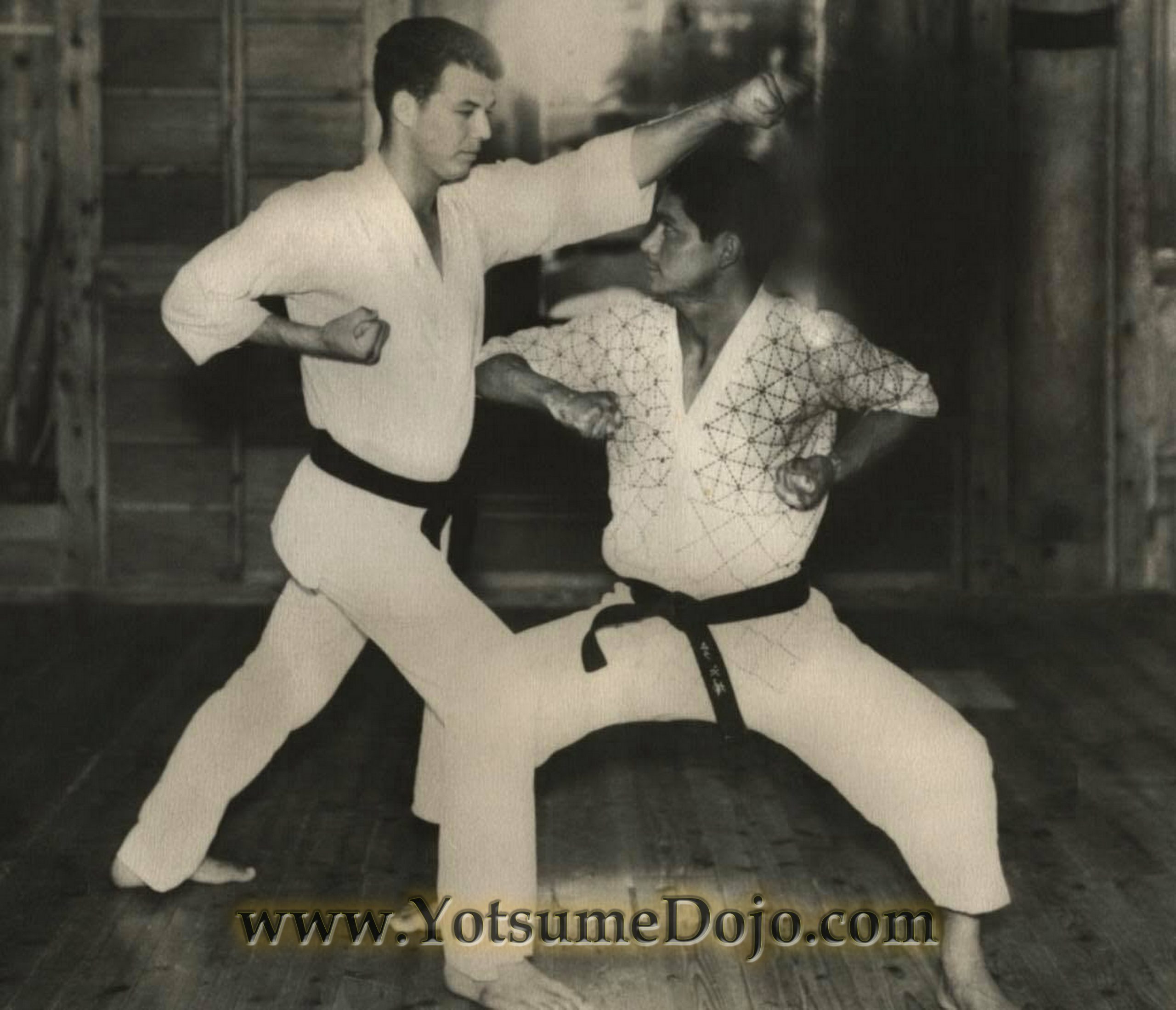
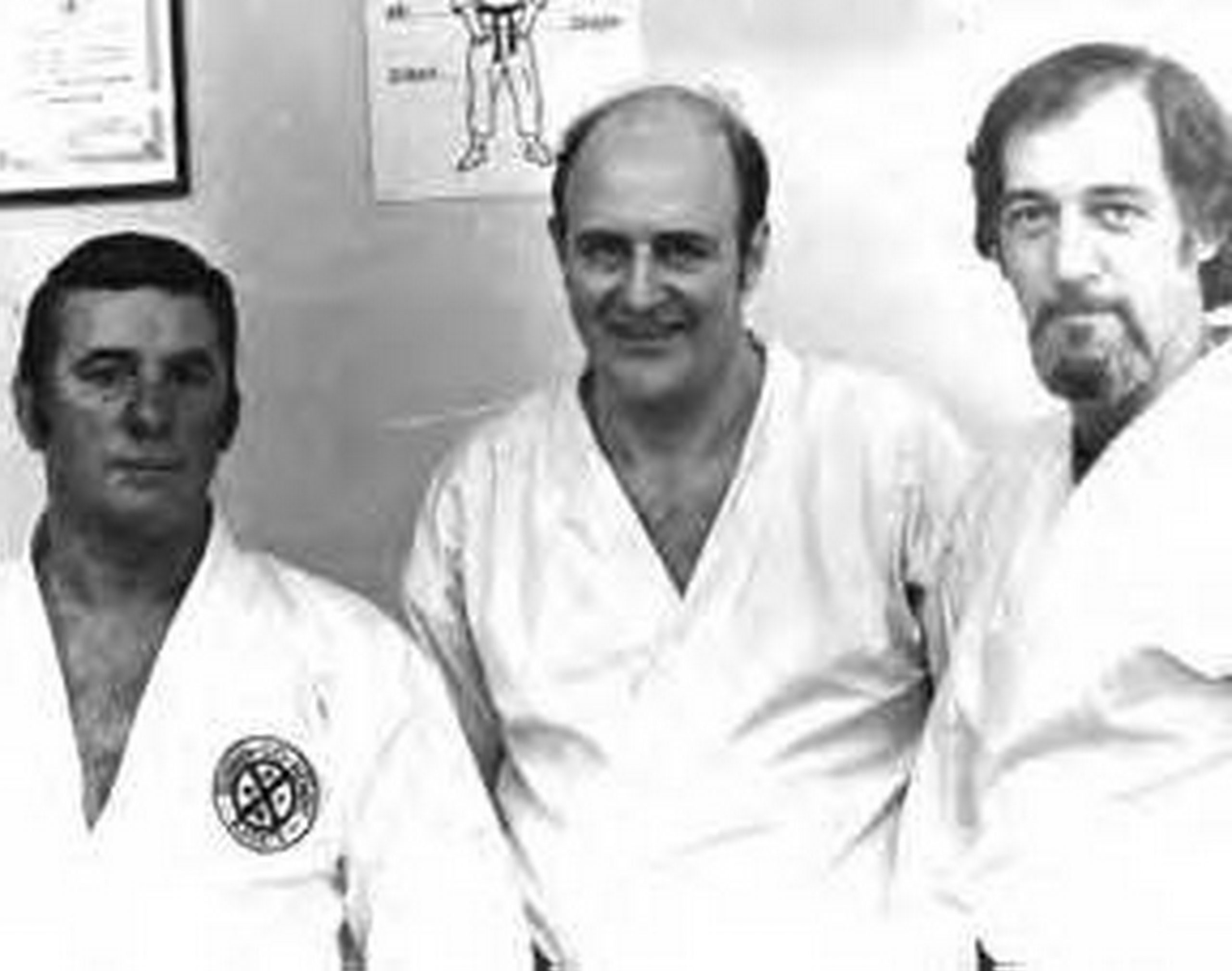
Pete Siringano Sr. and Mike Depasquale Sr.
Mike Depasquale Sr. with Pete Sirigano Sr.
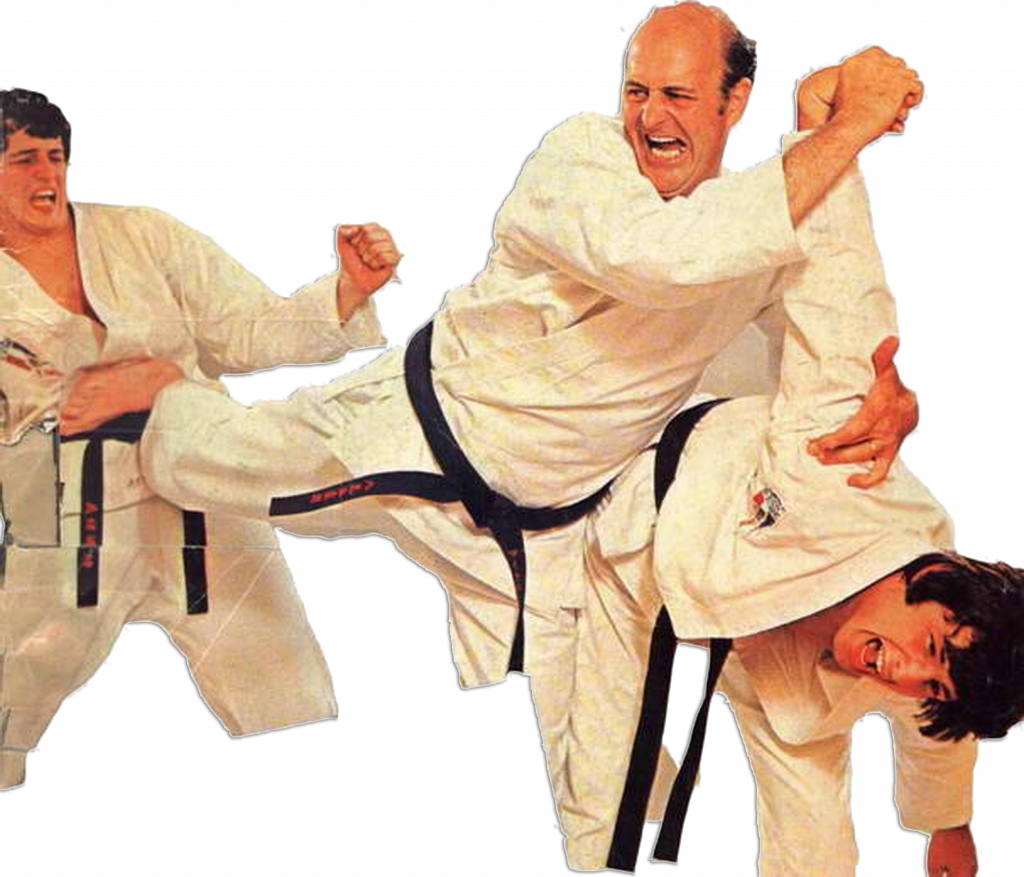
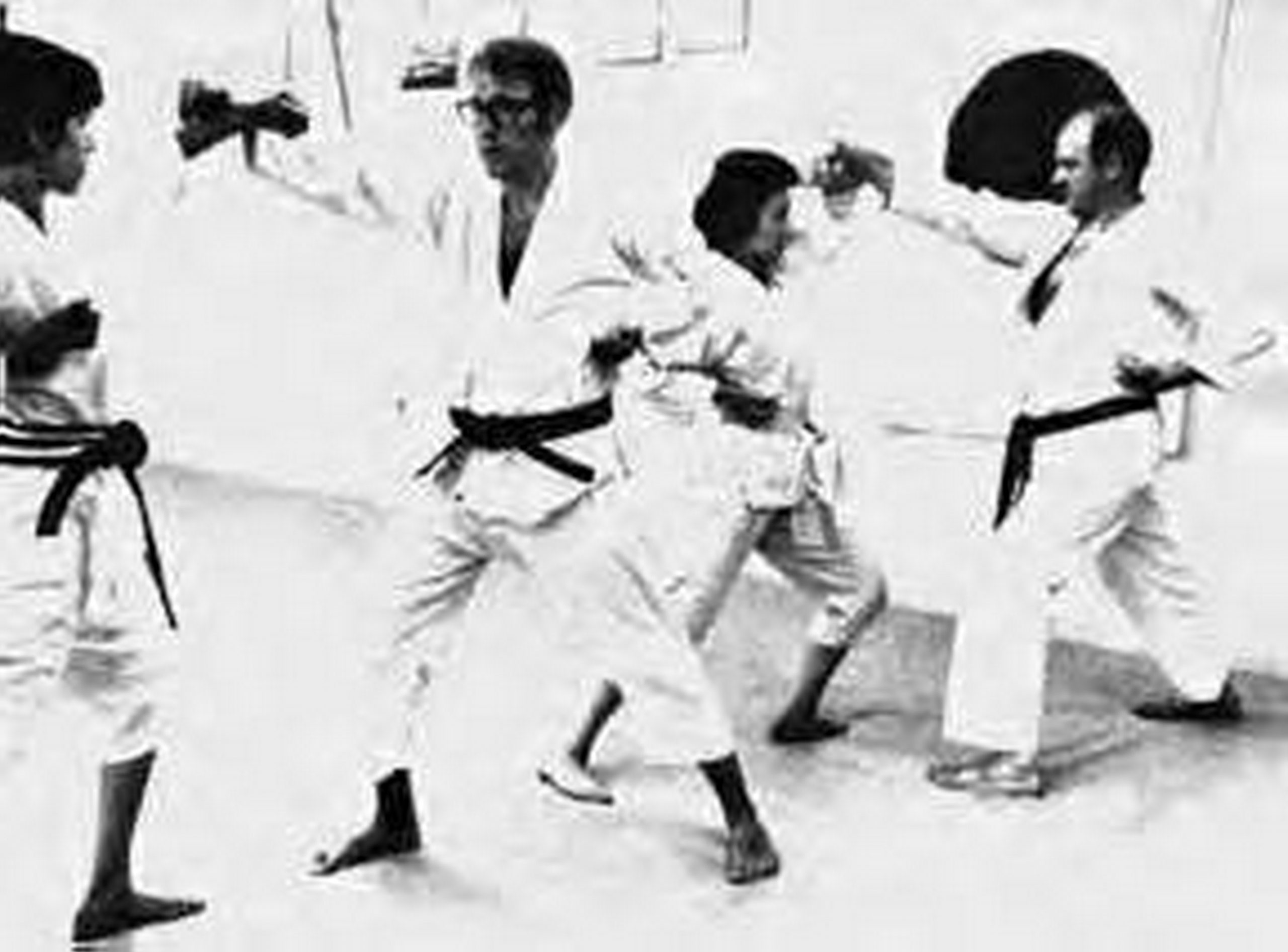
Mr and Mrs D Sparring
Mike Depasquale Sr. practicing Ippon Kumite drills with his wife Jo.
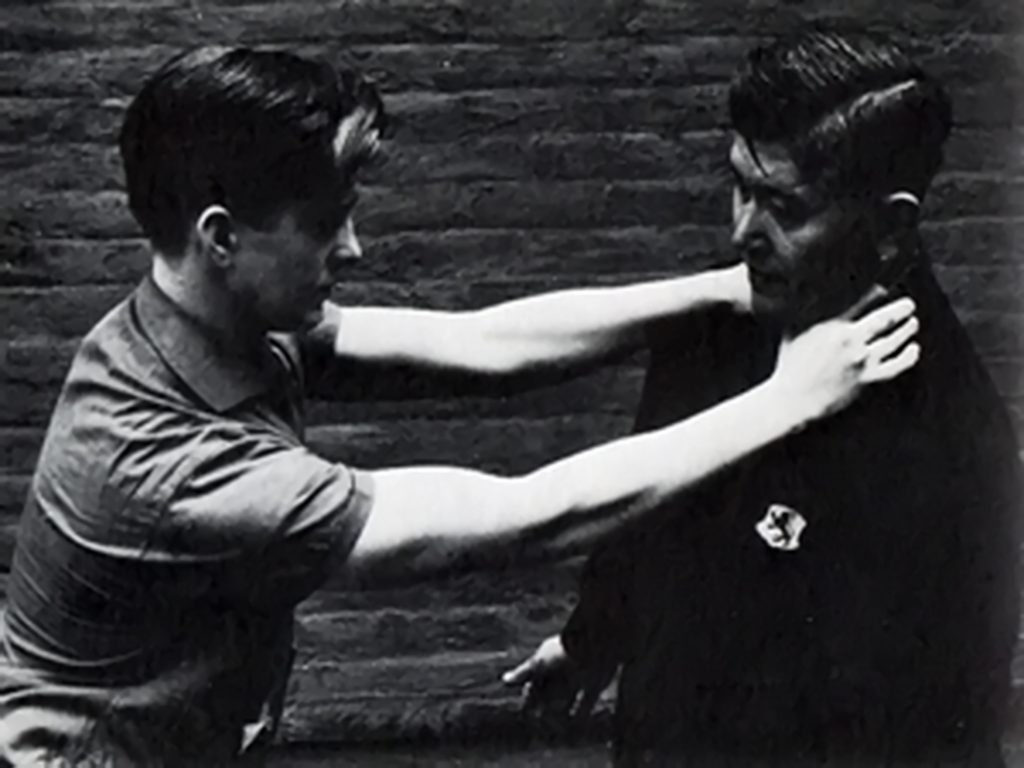
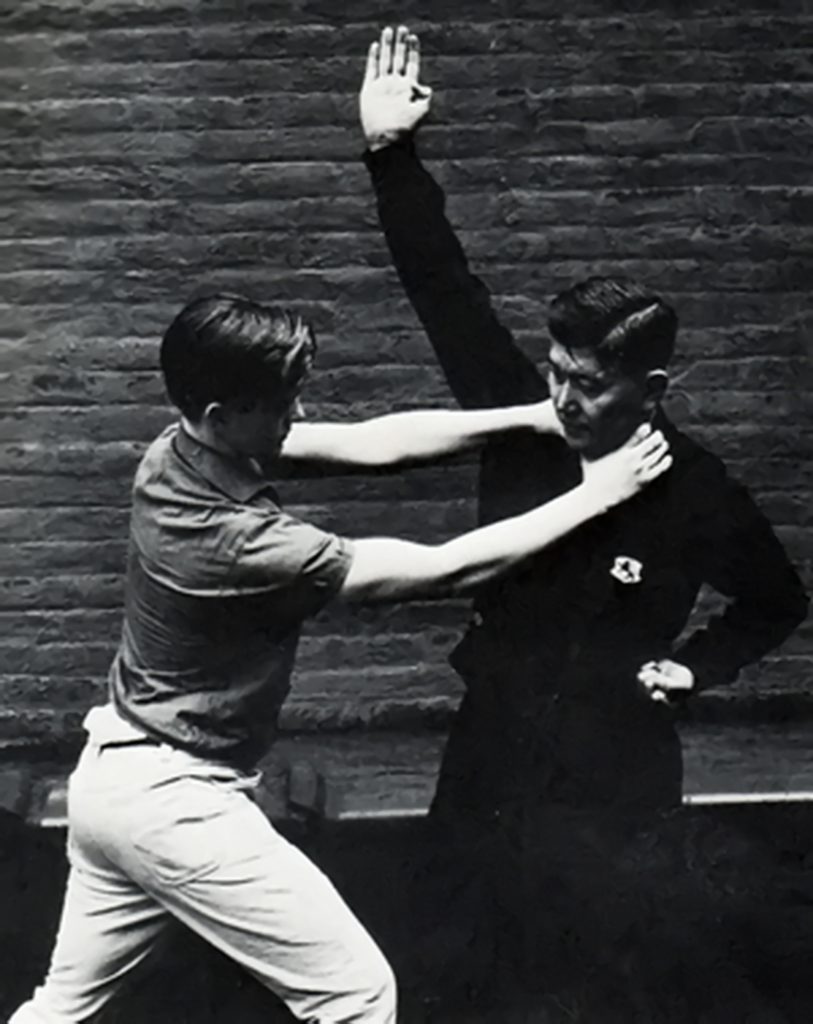
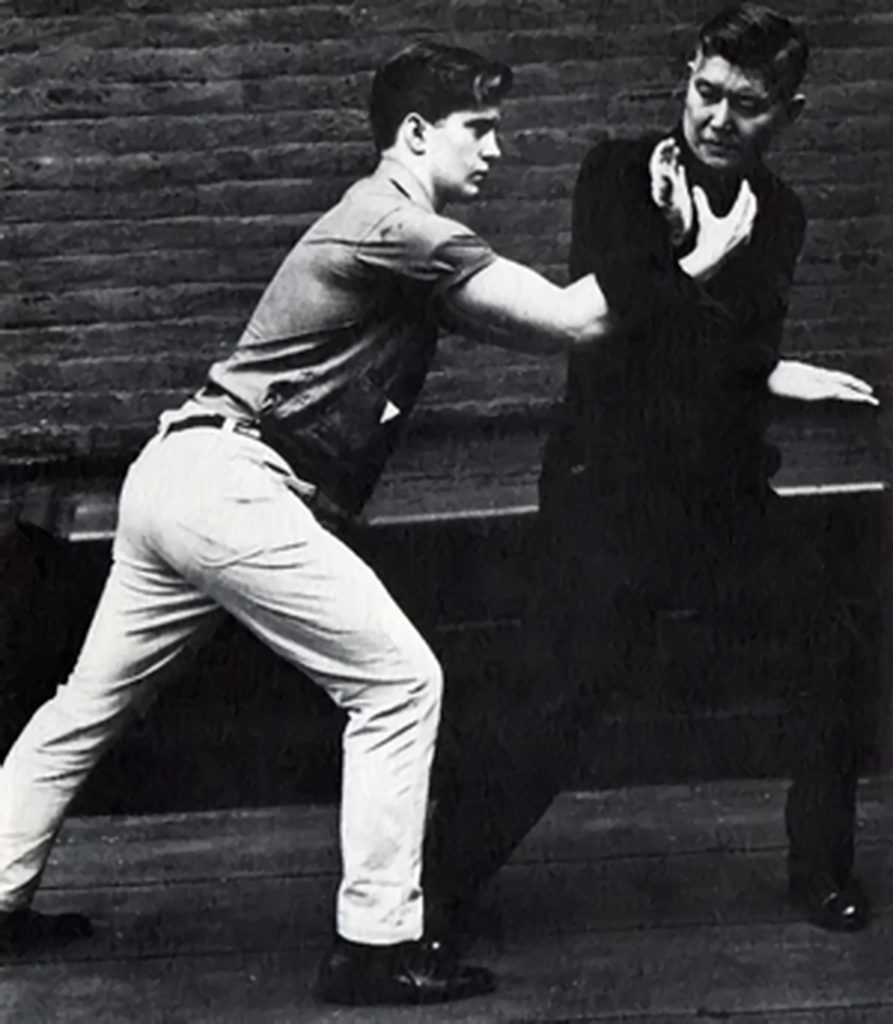
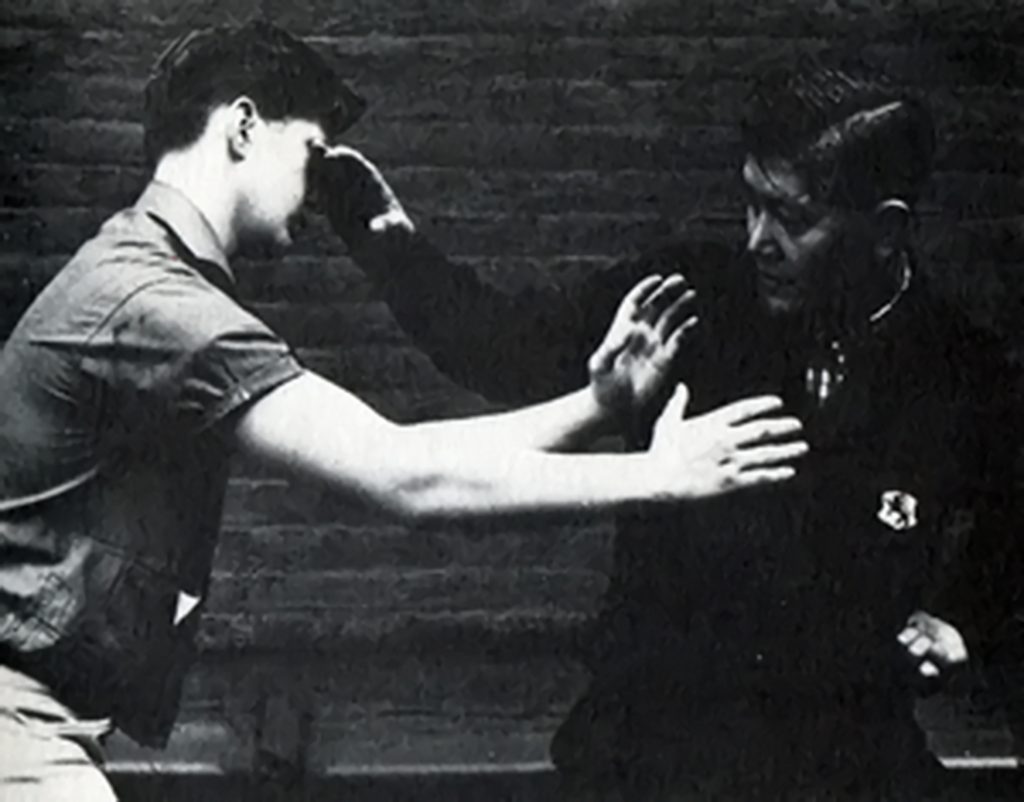
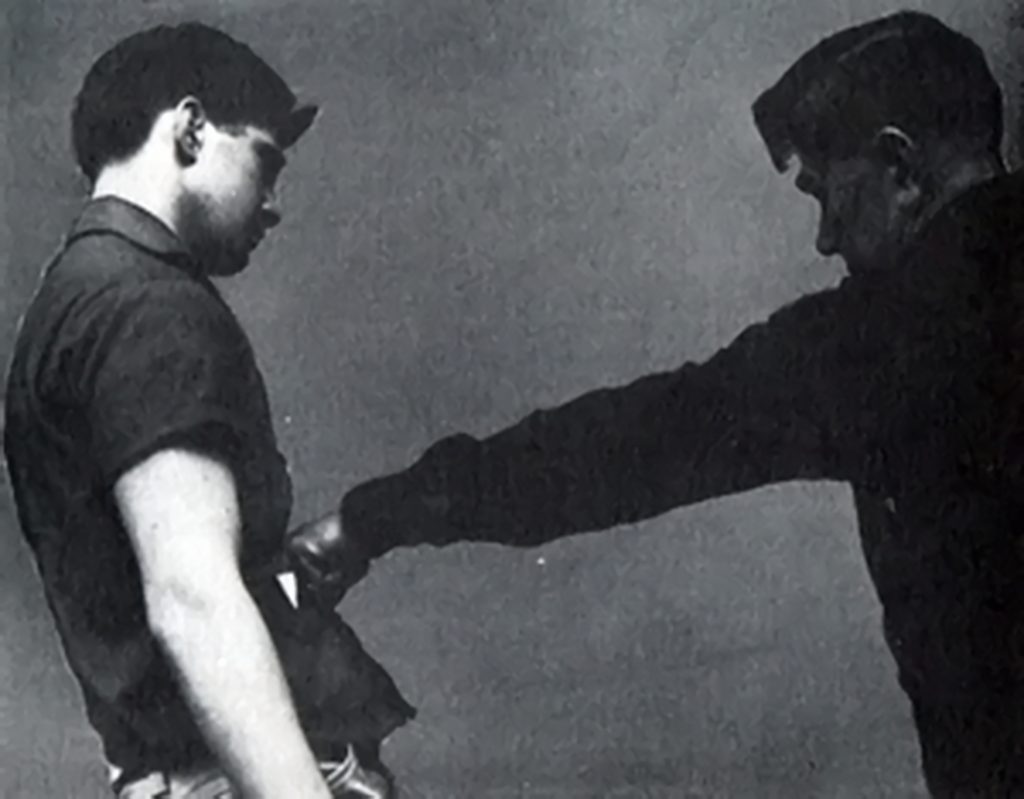
Defense Against a Two Hand Front Neck Choke
1. Swing your arm up and over their arms as you step back with your other leg.
2. Capture their arms towards your chest breaking their balance forwards.
3. Strike across their eyes and nose with a Shuto Uchi.
4. Strike to their Suigetsu (solar plexus) with a Gyaku Tsuki (reverse punch).

Naraki Hara's Influence on Yoshitsune Waza

Here is a Yoshitsune Waza secret! Much of the Godan level of Kata in Yoshitsune Waza is taken straight from Naraki Hara’s Goshindo Kenpo curriculum. Mike Depasquale Sr. and Naraki Hara were very close and trained for many years together. So when you see some of the striking and then grappling counters to Ninin (two person) and Sannin (three person) attackers in the Godan training, this is their source.

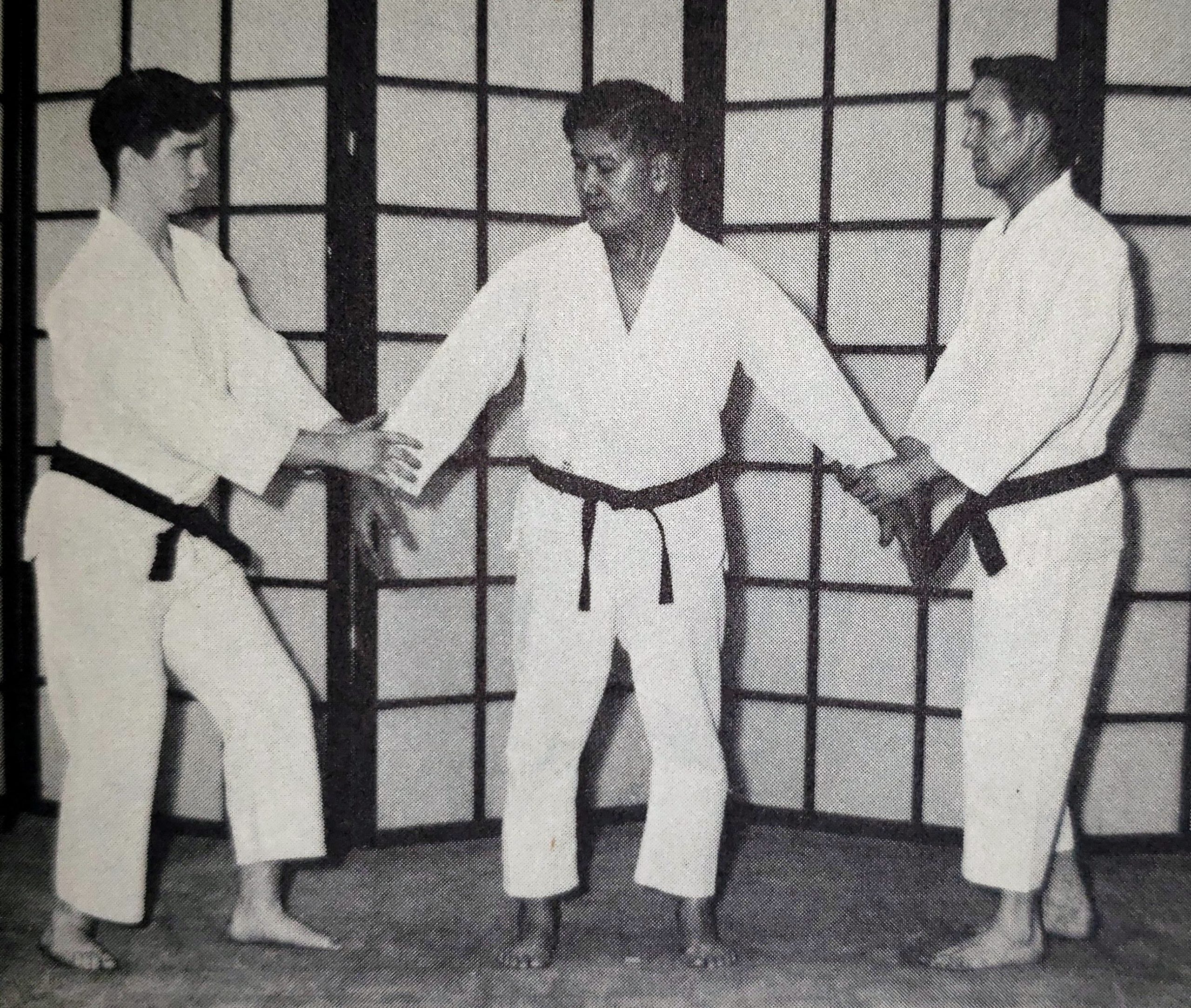
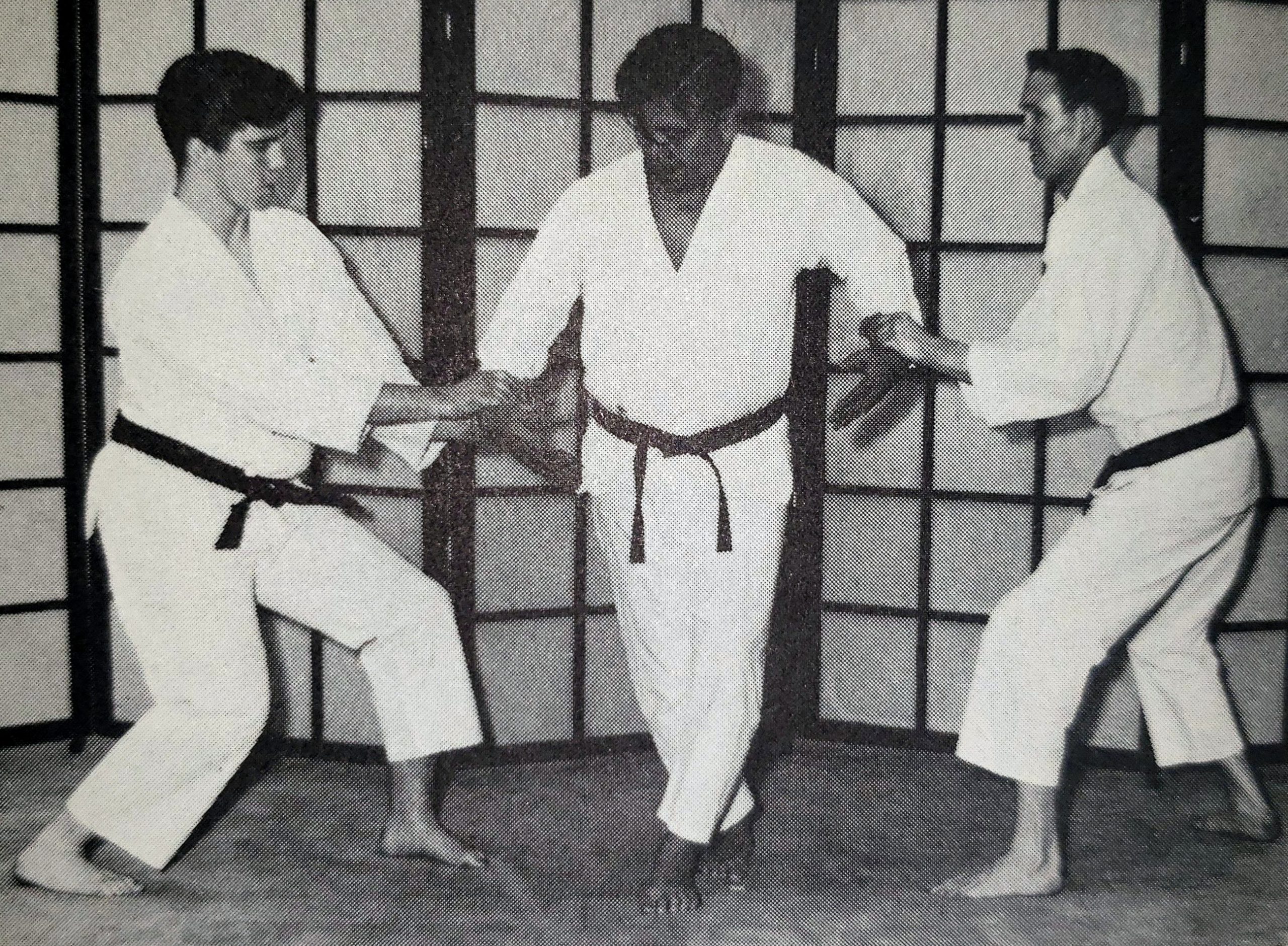
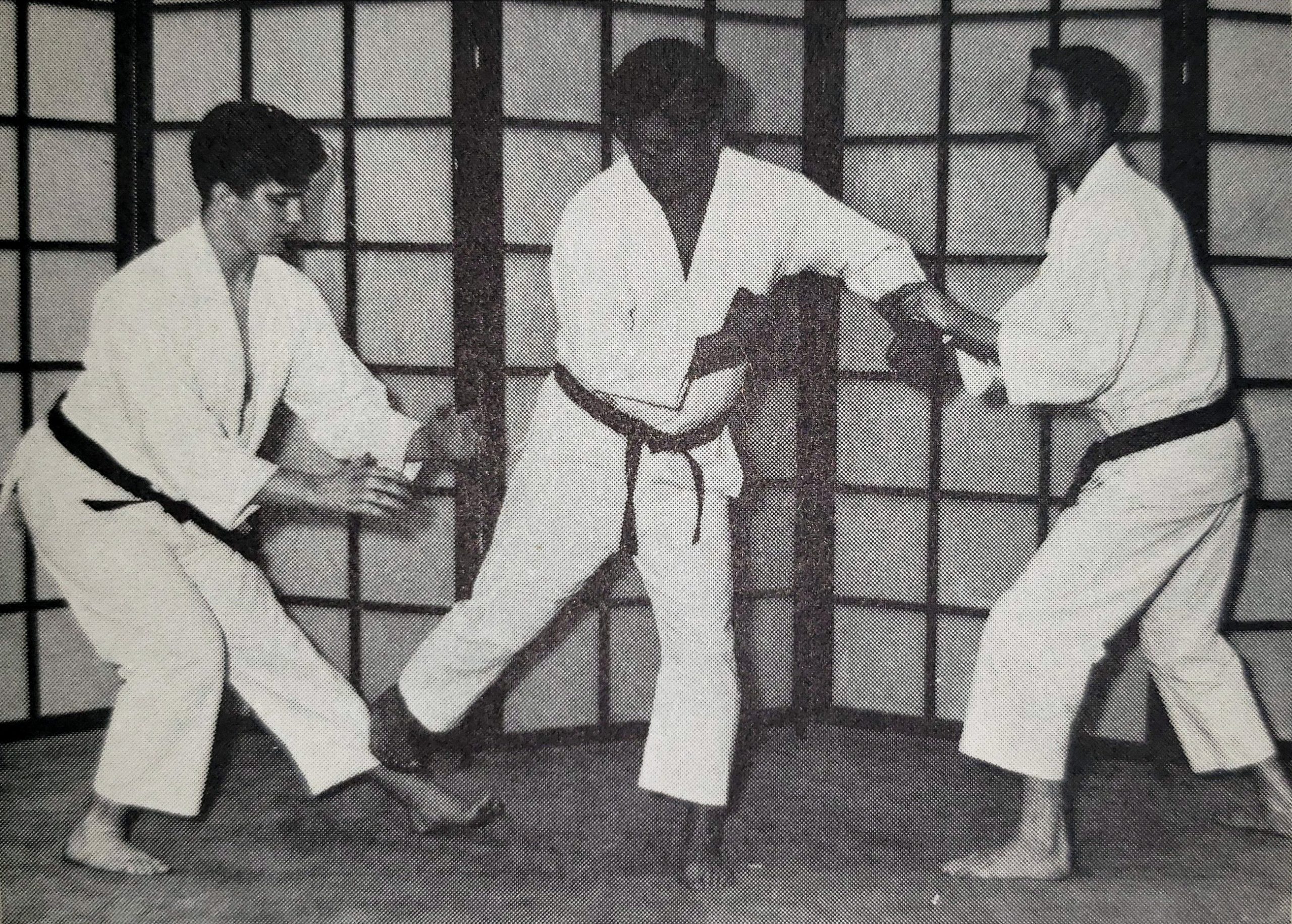
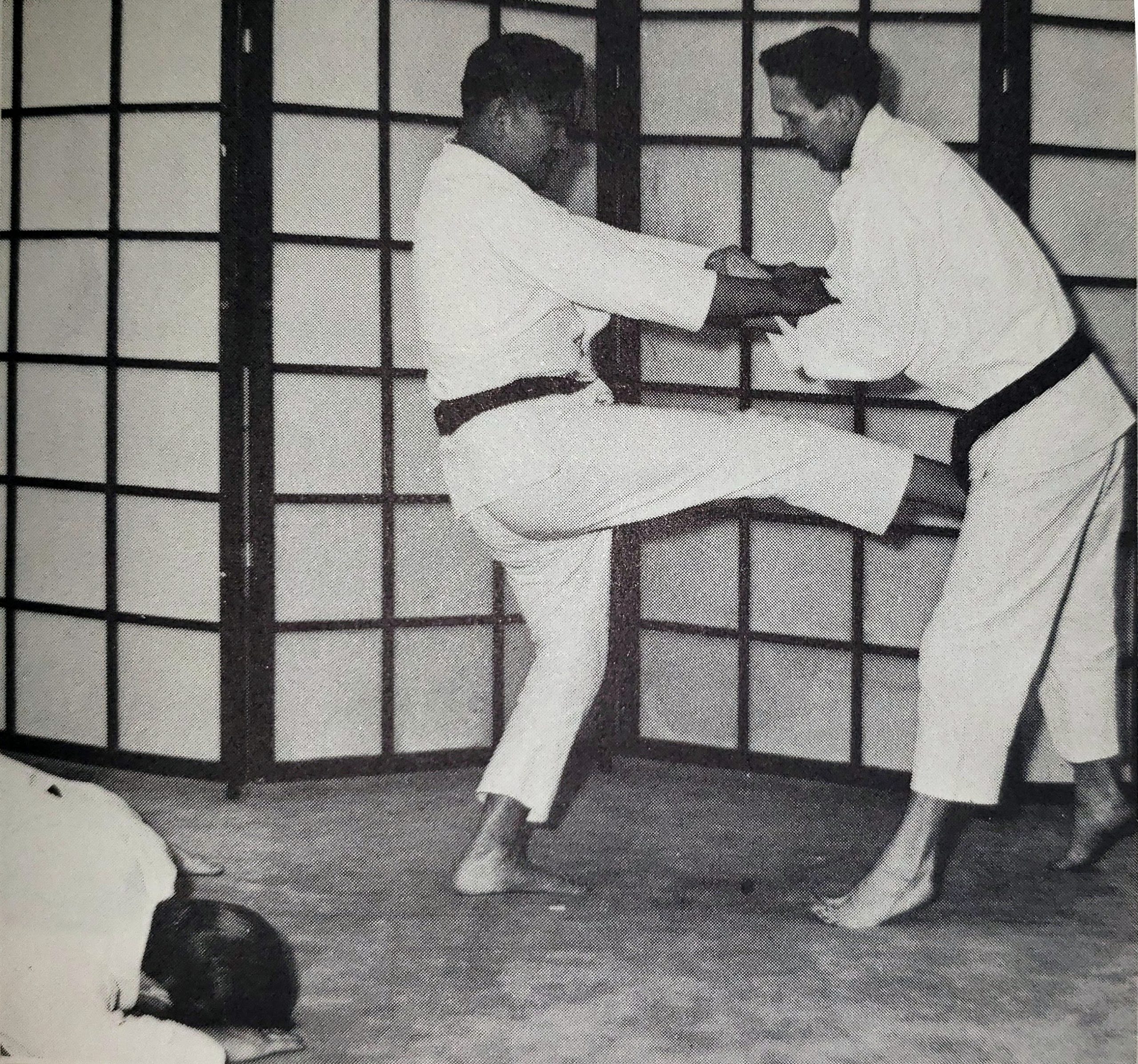
Here are just a few photos of Naraki Hara demonstrating one of his Ninnin Dori (two person capture) methods prior to them being incorporated into the Kata that would go to make up Godan in Yoshitsune Waza. There are 25 Kata for Godan in Yoshitsune Waza.

Naraki Hara Ninin Dori 001
Naraki Hara Ninin Dori 002
Naraki Hara Ninin Dori 003
Naraki Hara Ninin Dori 004

Coronet Blue Episode 13 "Tomoyo"

Shihan Naraki Hara starred in episode 13 of the 1967 TV series Coronet Blue. He played a martial arts instructor who mentors Michael Alden, an amnesiac in search of his identity.

Scroll to Top